
The Allure of Casino Games
The enchanting world of casino games draws players in with a mix of excitement and the promise of instant reward. The atmospheric lighting, vibrant colors, and the cacophony of sounds create an immersive experience that excites the senses. This sensory overload is carefully designed to keep players engaged and immersed, making them more likely to stay longer and spend more money. If you’re curious to learn more about this captivating environment, read more about how psychological elements play a crucial role in influencing player behavior and decision-making.
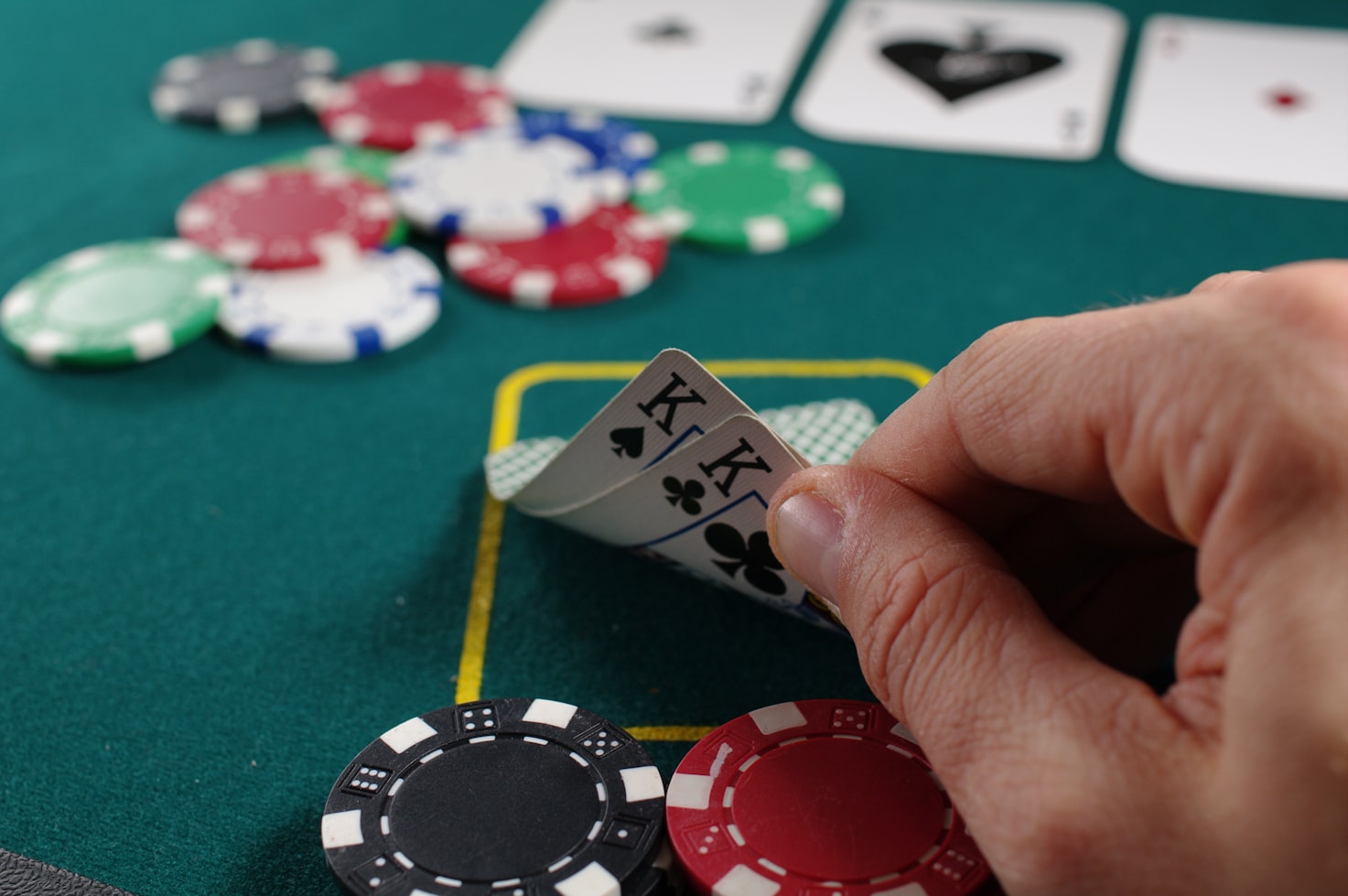
Moreover, the thrill of chance and the potential for winning a life-changing jackpot taps into a basic human emotional need: the desire for risk and reward. Many players are motivated by the hope of winning significant sums of money, which fuels their continued participation in games. This combination of sensory appeal and the allure of reward fosters a strong connection between the player and the gaming experience, reinforcing their return to the casino.
The Role of Emotion in Gambling
Emotions play a pivotal role in shaping casino player behavior. Players often experience a rush of adrenaline when they win, which can create a euphoric state that encourages them to continue playing. Conversely, losses can lead to feelings of frustration and anger, which may compel some players to chase their losses in hopes of regaining their funds. This rollercoaster of emotions can cloud judgment and lead to irrational decisions, such as betting more than one can afford to lose.
Moreover, the psychological concept of “loss aversion” suggests that players feel the pain of losing more acutely than the joy of winning. This principle contributes to the behavior where players may keep playing in an effort to overcome their losses, leading to compulsive gambling behaviors. Understanding how these emotional triggers operate is essential for both players and operators to foster a more responsible gambling environment.
The Influence of Social Dynamics
Casino games are often social experiences, where players engage with others at gaming tables or slot machines. This interaction can enhance the enjoyment of the game, as players share in the highs and lows of gameplay together. The social aspect of casinos can lower players’ inhibitions, leading them to wager larger amounts than they might do alone. This phenomenon taps into the psychology of group behavior, where individuals might take risks they typically wouldn’t in isolation.
Additionally, peer pressure can significantly influence player choices, encouraging individuals to join in on the fun of betting or to continue playing even when they are not winning. Social dynamics such as these create a unique atmosphere that can heighten the overall experience, often resulting in prolonged gambling sessions that might not occur in a solitary context.
The Role of Game Design and Chance
Casino game designers employ various psychological tactics to enhance player engagement, including the strategic use of uncertainty and the structure of rewards. Slot machines, for instance, are designed with elements of unpredictability that keep players engaged. The near-miss phenomenon, where players almost win, stimulates the brain’s reward system and encourages continued play, as players believe they are close to winning and just need to try again.
Furthermore, the variable reward schedule often used in casinos mimics the psychology behind addictive behaviors. Players may not win consistently, but when they do, the payout can be substantial. This sporadic reinforcement creates a compelling cycle of play that reinforces the desire to return and keep trying their luck, making it vital for players to remain aware of their gambling habits and set boundaries.
Enhancing Responsible Gaming Awareness
As the understanding of the psychology behind casino games and player behavior evolves, so does the need for responsible gaming initiatives. Comprehensive awareness programs aim to educate players about the risks of gambling and foster healthier habits. Casinos and gaming platforms are increasingly implementing tools such as self-exclusion options, betting limits, and informational resources to promote responsible play.
Empowering players with knowledge about the psychological factors influencing their behavior can lead to better decision-making. By understanding the emotional triggers and social dynamics that impact gambling, players can engage more thoughtfully and maintain a healthy balance between entertainment and risk.

Conclusion: Navigating the Casino Landscape
Understanding the psychology behind casino games and player behavior reveals the intricate interplay between emotion, design, and social dynamics. As casinos continue to evolve, players must navigate this complex landscape with awareness and responsibility. With the right approach, they can enjoy the thrill of gaming while minimizing risks.
At our website, we are dedicated to providing players with the information they need to make informed decisions about their gaming experiences. Our insights and resources aim to foster a deeper understanding of responsible gaming practices, helping players enjoy their time in the casino atmosphere while prioritizing their well-being.